Europe’s competitiveness starts with extending unfair trading rules to all grocery products and companies, regardless of size
When Europe talks about competitiveness, the conversation usually looks outward: China, the US, global trade tensions. That matters, but it is only half the story. Europe’s true competitive edge is also shaped by what happens inside the EU, and on whether companies can do business with each other on fair and predictable terms.
This is especially true in everyday consumer goods. Across Europe, more than 300,000 fast-moving-consumer-goods [1] businesses are producing and manufacturing goods that are part of daily life, from morning routines to evening meals. It is the third largest manufacturing sector in Europe and relies heavily on stable and predictable access to supermarket shelves to reach consumers. When this access becomes uncertain due to those controlling the shelves misusing their bargaining power, it directly affects goods produced in Europe, and the choices available to citizens. Ultimately, unpredictable access undermines Europe’s overall competitiveness.
The rationale for the EU’s Unfair Trading Practices (UTP) Directive, which has been in force since 2021, was straightforward: certain ways of doing business are unacceptable in a market designed to function efficiently. Recent evaluations by the European Commission confirm that the directive has made a difference, where it is applied. It has curbed unfair behaviour, improved business relationships, and restored trust in parts of the food supply chain.
Yet the supermarket landscape has fundamentally changed. It is now far more concentrated, with just three or four retailers often controlling over 80% of national markets. This concentration has increased suppliers’ dependence on a small number of buyers to secure access to shelves. That imbalance is further intensified by the rise of cross-border buying alliances, where retailers group together in entities based in one country but exercising purchasing power across several markets. In some Member States, the commercial terms for a large share of consumer goods sold domestically are now negotiated entirely outside national borders. While these buyer or retail alliances are not illegal, they significantly alter the balance of power in commercial negotiations, placing sustained pressure on suppliers of all sizes.
Manufacturers see this every day. More than 70% report being exposed to at least one unfair trading practice. The same issues keep coming up: threats to remove products from shelves, sudden demands to reopen agreed contracts, and so-called “service” or “access” fees that are hard to link to any real benefit for either producers or shoppers. These are not minor technical disputes. They create uncertainty, discourage investment and push companies to focus on risk management instead of better products and greener production. The knock-on effects reach far upstream: to SMEs, packaging suppliers and farmers.
This is where fairness and competitiveness come together. When excessive buyer power dominates negotiations and prevents access to “must-have” shelves — the primary route to market for most consumer goods manufacturers — the market becomes less dynamic and less resilient. True competitive advantage should arise from better serving consumers, not from wielding the most leverage in negotiations.
The upcoming revision of the UTP Directive offers a real opportunity to address these shortcomings. Policymakers can continue to treat it as a narrow instrument focused primarily on farmers and small businesses—which remains essential—but doing so risks overlooking the realities of how today’s markets actually operate.
Three points matter.
First, unfair practices are unfair—full stop. If something is unacceptable when used against a small farmer, it does not suddenly become acceptable when used against a larger supplier or a different product category. Thirteen Member States already apply unfair trading rules to companies of all sizes. Just as traffic rules make the roads safer and more predictable, fair trading rules should protect everyone, and companies that already adhere to them have nothing to fear.
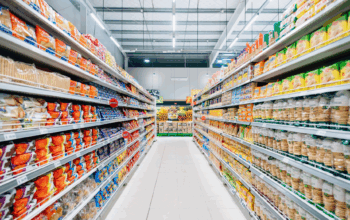
Second, the rules should reflect what people actually buy. Today’s grocery basket is not just food. It includes cleaning products, toiletries and household essentials —often negotiated by the same retail buying teams, but subject to different legal protections. Leaving parts of the supermarket shelf outside the fairness framework makes little sense if the goal is resilient, competitive supply chains. Some Member States have already extended protection to all groceries. EU rules should catch up.
Third, the rules need to address how pressure is applied today. That means threats or actual retaliatory delisting, unjustified fees and last-minute cancellations that shift risk and waste onto suppliers. These are practical fixes, not radical ones—and they help keep negotiations commercial rather than coercive. The rules are there—but they only protect some, not all.
This is not about piling on new bureaucracy. It is about simplifying fragmented rules and removing a structural drag on investment at a time when Europe needs to strengthen its industrial base. Europe’s strength starts at home. The UTP Directive has already shown that fairness helps markets function better. Updating it to reflect how today’s grocery markets actually work—by protecting all businesses, regardless of size or product—would reinforce confidence across the supply chain and make Europe a more attractive place to invest, produce and compete. That is competitiveness where it really counts.
[1] FMCG = Fast-moving-consumer-goods = Personal Care, Homecare, Packaged Food, Beverages, Tissue, Pet Care